


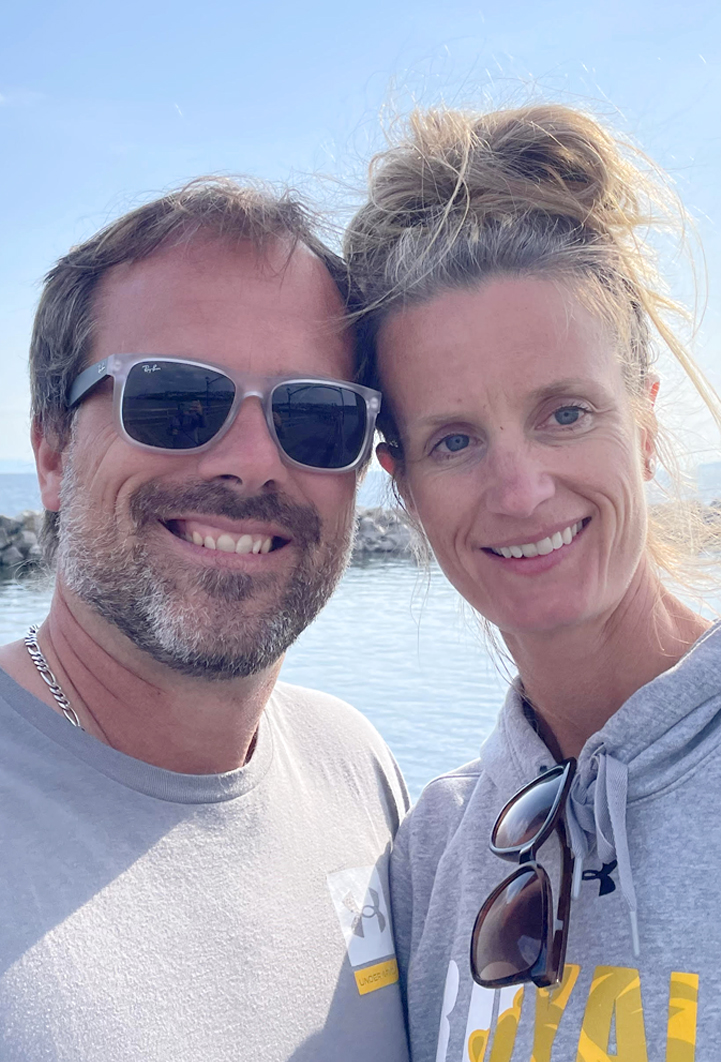
Insights from My Interview with Dr. Kelly Turner: Unlocking the Secrets of Radical Remission
Recently, I had the privilege of sitting down with Dr. Kelly Turner, PhD, the renowned author of the New York Times bestseller Radical Remission and its follow-up, Radical Hope. Our conversation delved deep into the fascinating world of radical remission—cases where individuals defy medical odds by achieving complete or partial reversal of serious, often terminal, cancer diagnoses. What started as a personal quest for Dr. Turner, sparked by the tragic loss of her best friend to stomach cancer at age 16, has evolved into groundbreaking research that empowers countless patients worldwide. You can watch the full interview below to hear her insights firsthand.
Dr. Turner's journey began during her time as a cancer patient counselor, where she encountered Dr. Andrew Weil's Spontaneous Healing. Inspired by stories like that of Shinya Terayama, a stage 4 kidney cancer patient who returned cancer-free after being sent to hospice, she pursued a PhD at UC Berkeley. Over a decade, she studied more than 10,000 cases of spontaneous remission, traveling to 10 countries to interview survivors in their homes. Her open-ended approach revealed patterns overlooked by traditional research, which often dismissed these "anomalous" healings.
At the heart of her findings are the 10 common factors shared by radical remission survivors. Only three are physical: radically changing diet (emphasizing organic plants, fruits, vegetables, and filtered water while reducing meat, wheat, sweets, and dairy), incorporating herbs and supplements (tailored through testing for deficiencies or issues like candida), and increasing exercise or gentle movement—even simple walks for those in hospice. The remaining seven factors focus on mental, emotional, and spiritual shifts: releasing suppressed emotions, embracing positive emotions like love and joy, deepening spiritual connections through meditation or nature, following intuition, finding strong reasons for living, empowering oneself in decision-making, and building robust social support.
Dr. Turner emphasized that these factors aren't a guaranteed cure but work synergistically to strengthen the immune system and optimize the body's internal chemistry. For instance, studies show oxytocin—the "love hormone"—can destroy cancer cells in lab settings, while laughter boosts immune-fighting cells. Meditation, practiced for just 30 minutes daily, has been linked to turning off cancer-related genes. She shared compelling stories, like Bob Granada, a stage 4 appendiceal cancer survivor who, as a semi-retired CEO, researched experimental surgery, combined it with these factors, and achieved stable remission for over five years.
A key theme was the non-linear nature of healing, which averages 1.5 years from stage 4 or hospice to stability, filled with ups and downs. Survivors learn to process fear—acknowledging it but aiming for at least five minutes a day free from it to shift from fight-or-flight to rest-and-repair mode. Intuition plays a pivotal role; Dr. Turner initially viewed it as "unscientific," but research from places like the HeartMath Institute validates it, showing the heart and gut often sense answers before the rational mind.
Ultimately, radical remission survivors emerge transformed—happier and healthier, viewing their diagnosis as a catalyst for positive change. Dr. Turner encourages everyone to act like these survivors: integrate all 10 factors, tap into community support, and avoid seeking a single "magic bullet." Resources like the Radical Remission Project, offering workshops, podcasts, and scholarships, make this accessible. At my own Healing Oasis, we've seen similar holistic approaches accelerate recovery by addressing body, mind, and spirit.
This interview reinforced my belief in holistic healing's power. It's not about replacing conventional medicine but complementing it with proven immune-boosting strategies. If you're facing cancer or supporting someone who is, Dr. Turner's work offers hope and actionable steps. Watch the interview to dive deeper—her quotes and stories are truly inspiring.


